Sciatica: Understanding the Radiating Pain Down Your Leg
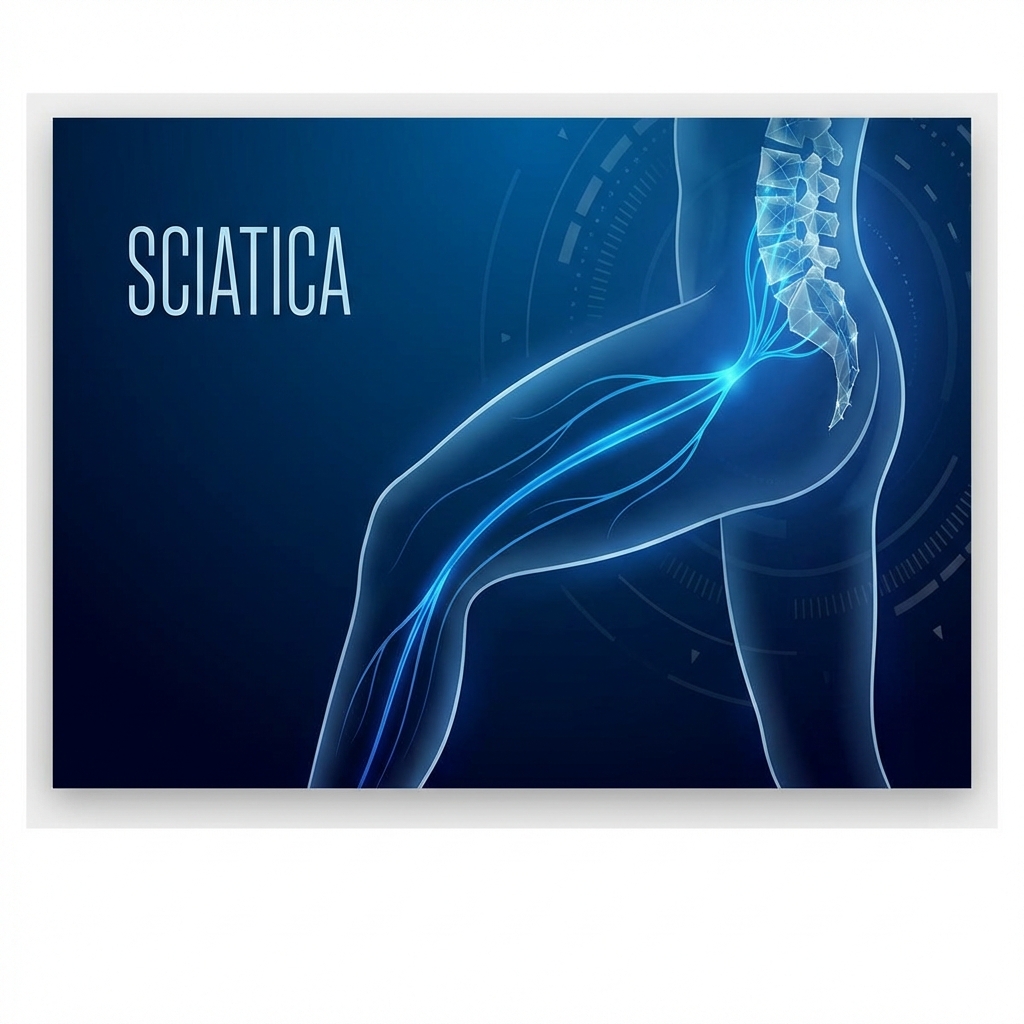
Lower back pain is common, but when that pain starts to "travel" or radiate down into your buttock, thigh, calf, or even your toes, it is no longer just a simple muscle strain. This condition is known as Sciatica.
Distinct Characteristics of Sciatic Pain
Understanding how this pain feels is the first step toward a correct diagnosis. Sciatica typically presents with:
- Electric-Shock Sensations: A sharp, shooting pain that feels like an electric jolt running from the lower back through the leg.
- Numbness and Tingling (Pins and Needles): You may feel a loss of sensation or a "crawling" feeling in specific parts of your leg or foot.
- Unilateral Symptoms: In most cases, Sciatica affects only one side of the body.
- Posture Sensitivity: The pain often intensifies during coughing, sneezing, or after prolonged sitting.
The Science Behind the Pain (Pathophysiology)
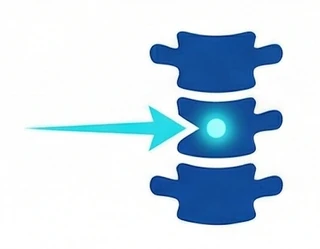
The root cause is usually the irritation or compression of the Spinal Nerve Roots in the lumbar spine. The most frequent culprit is a Herniated Nucleus Pulposus (HNP). When the soft inner material of a spinal disc leaks out or bulges, it can chemically irritate or physically compress the nerve. Because the sciatic nerve is the longest nerve in your body, the pain signals travel all the way down its path.
Why Specialist Consultation Matters
While some mild cases of Sciatica resolve with conservative treatment, symptoms such as muscle weakness (e.g., foot drop) or progressive numbness are "red flags" that require professional evaluation.
Modern Endoscopic Spine Surgery has revolutionized how we treat these issues. By using a tiny 8mm high-definition camera, we can remove the compression with minimal disruption to the surrounding muscles, leading to a faster return to daily life.
Related procedure
Endoscopic Lumbar Discectomy for a Herniated DiscReferences

Questions about your symptoms?
Chat with us on LINE for more information
@bright.endospine
Chat on LINE