Spinal Stenosis: Understanding "The Walking Pain" and Is Surgery Inevitable?
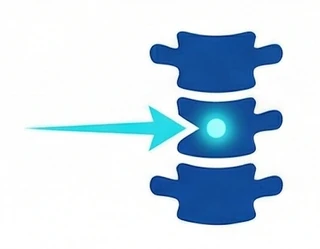
As we age, our spine undergoes degenerative changes. One of the most common conditions affecting mobility in older adults is Spinal Stenosis—the narrowing of the spaces within your spine, which can put pressure on the nerves.
Recognizing "Neurogenic Claudication"
The hallmark of spinal stenosis is not necessarily back pain while resting, but rather symptoms that appear during activity:
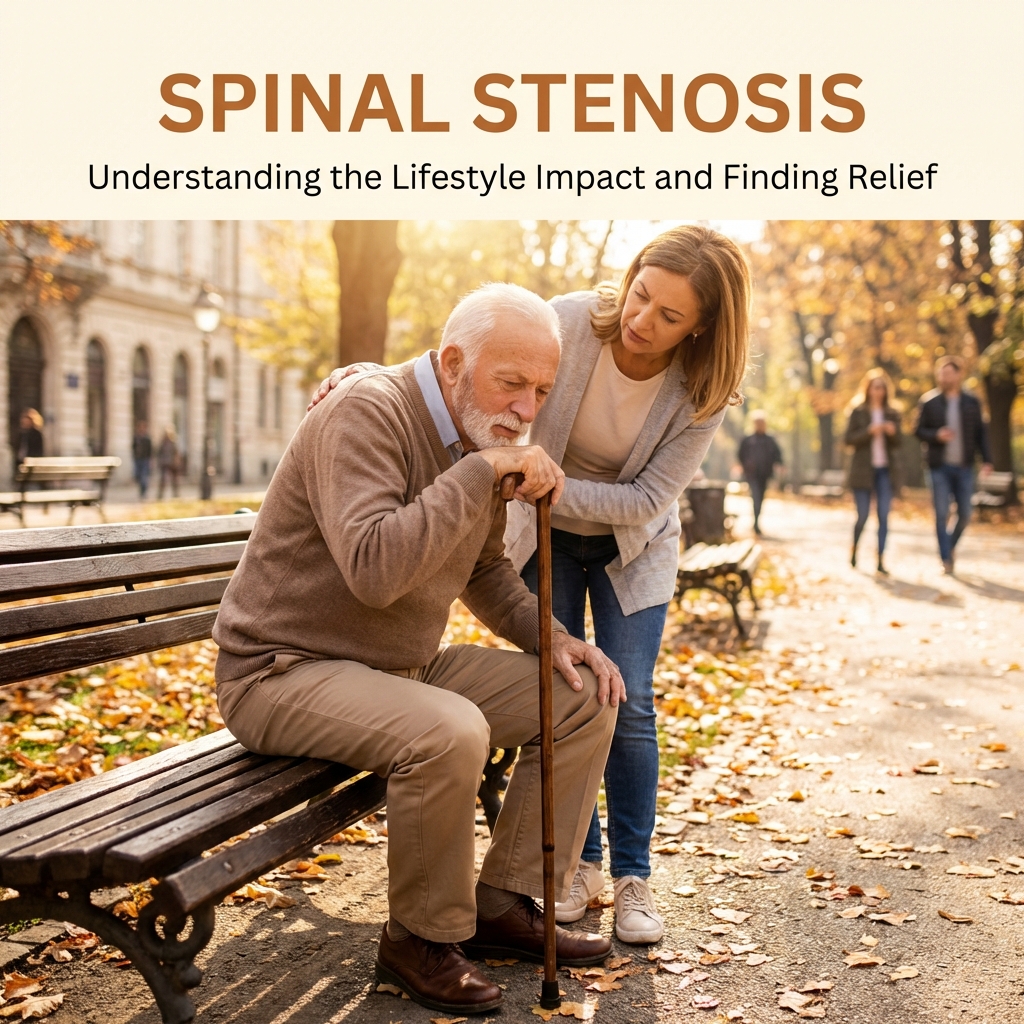
- The Walk-Rest Cycle: Feeling heavy, cramped, or painful in the legs after walking a short distance, necessitating a seat or leaning forward.
- The "Shopping Cart" Sign: Patients often find that leaning forward (like over a shopping cart) relieves the pain because it temporarily widens the spinal canal.
- Bilateral Leg Symptoms: Numbness or tingling that typically affects both legs during prolonged standing.
Is Surgery the Only Option?
The short answer is "No." Most patients start with a step-by-step non-surgical approach:
- Conservative Management: Specialized physical therapy and core strengthening can significantly improve walking distance.
- Epidural Steroid Injections: These can reduce inflammation around the compressed nerves, providing a window of relief for months or even longer.
- Surgical Intervention: This is only recommended when conservative measures fail to preserve the patient’s quality of life or if neurological deficits (weakness) occur.
The Endoscopic Revolution: Decompression Without Fusion
Traditional surgery for stenosis often involved large incisions and spinal fusion (screws). However, Endoscopic Spine Surgery has changed the landscape. We can now perform a decompression using an 8mm endoscope to selectively remove the tissue causing the blockage.
However, as all patients' conditions are varied and the decision-making process should be individualized, the feasibility of doing spinal endoscopy might not be the same for each patient. Consultation with a spine specialist is strongly recommended.
Related procedure
Endoscopic Decompression for Lumbar Spinal StenosisReferences
- Weinstein, J. N., et al. (2008). "Surgical versus Nonsurgical Therapy for Lumbar Spinal Stenosis." New England Journal of Medicine (NEJM). [Link]
- Katz, J. N., & Harris, M. B. (2008). "Lumbar Spinal Stenosis." New England Journal of Medicine (NEJM). [Link]
- Forsth, P., et al. (2016). "A Randomized, Controlled Trial of Fusion Surgery for Lumbar Spinal Stenosis." New England Journal of Medicine (NEJM). [Link]

Questions about your symptoms?
Chat with us on LINE for more information
@bright.endospine
Chat on LINE